
How to import door locks, handles, faucets and doors from Türkiye.
A step-by-step buying guide for importers, wholesalers and contractors, from the first product list to safe payment and delivery.
Before you start
What a successful first import looks like.
Türkiye is a natural place to source building hardware for buyers in the Middle East, Africa and Central Asia, with an established metal, sanitary and joinery industry and sea links in several directions. Importing from Turkey is straightforward when the order is clearly specified, but most problems on a first shipment come from gaps in the paperwork: an unclear finish, a wrong thread, a missing certificate or a vague delivery term.
This guide follows the order in which a careful buyer works. It applies to door locks, cylinders, handles, faucets and interior doors, and it is general guidance rather than legal or customs advice. Rules differ by country and change, so confirm anything that affects your clearance with a licensed customs broker in your destination.
The process
Six steps from list to landing.
1. Define the products
Fix models, sizes, finishes and the standards your market expects.
2. Send a clear RFQ
Give suppliers the same detailed list so that their offers can be compared.
3. Classify the goods
Agree HS codes and import requirements with your customs broker.
4. Agree the terms
Set the Incoterm, named place, payment schedule and documents in writing.
5. Check samples
Approve function and finish before production or dispatch.
6. Plan the shipment
Confirm packing, container loading, insurance and arrival arrangements.
The full guide
Importing building hardware, step by step.
Choosing products. Start with what your customers already buy. For locks, record the backset, centre distance, cylinder type and door thickness common in your market. For handles, decide between plate and rose, and check that the keyhole spacing matches the locks you sell. For faucets, confirm the local thread standard, inlet spacing, typical water pressure and the finishes that sell. For interior doors, work from opening sizes and wall thickness, and decide on core, frame and glazing. A narrow first order of proven sizes is usually easier to sell and to check than a wide range.
Preparing an RFQ. A request for quotation should let a supplier price your order without guessing. Include your company name and country, the model code or a clear description, size, finish, quantity per item, packaging needs, any labelling or language requirements, the delivery term you prefer, the destination port or city, and your target date. Ask each supplier to state the unit price, currency, validity of the offer, production time, carton quantity, carton dimensions, gross weight and payment terms. When every supplier answers the same list, you can compare real costs rather than headline prices.
HS codes and duties. Customs duty, taxes and licensing depend on the tariff classification of each product. As a starting point to check with your customs broker, locks are commonly looked up under heading 8301.40, door handles and similar fittings for buildings under 8302.41, and taps and mixers under 8481.80. Doors depend on their material: wooden doors are often found under 4418.29 and plastic doors under 3925.20, so an MDF door with a PVC finish should be classified by your broker. National tariffs extend these codes with further digits, and the final decision rests with customs in your country. Ask your broker about duty rates, VAT, any preferential trade agreement with Türkiye and whether the goods need a conformity certificate or import permit.
Incoterms. An Incoterm defines where the seller’s responsibility ends and who pays for carriage, insurance and clearance. Use the current Incoterms 2020 wording and always name the exact place, for example “FOB Istanbul” or “CIF Mombasa”. Under EXW you collect from the seller and take on almost all the risk and formalities. FCA is often a better fit for containers, because the seller hands the goods to your carrier and handles export clearance. FOB and CIF are sea-freight terms; under CIF the seller arranges carriage and minimum insurance to your port, but risk passes to you once the goods are on board. DAP brings the goods to a named place, with import clearance left to you. Whichever you choose, check who pays destination charges at the port.
Documents. A typical shipment needs a commercial invoice, a packing list and a transport document such as a bill of lading or air waybill. A certificate of origin is often required, and a preference certificate may be needed to claim a reduced duty under a trade agreement. Some destinations also require pre-shipment inspection or a product conformity scheme. Ask your broker for the full list before the order is confirmed, then share it with the supplier. Check that product descriptions, HS codes, quantities and weights match on every document, because small differences can delay clearance.
Packing and container planning. Locks, handles and faucets are small and heavy, so a container may reach its weight limit before it is full. Doors are the opposite: they take up volume and need protection for corners and faces. As a rough guide, a 20-foot container holds about 33 m³, a 40-foot about 67 m³ and a 40-foot high cube about 76 m³, though usable space is lower. Ask for carton dimensions and gross weights, then have your forwarder calculate the load and confirm road weight limits at destination. Mixed loads should be palletised or arranged so that heavy cartons do not crush doors. Insure the cargo for its full value.
Checking samples. Before committing to volume, test a sample of each key item. Operate locks and cylinders repeatedly, check that keys are not interchangeable where they should differ, fit handles on a real door, and connect a faucet to water to look for leaks and check the flow. Compare finish colour under daylight. Keep an approved sample as your reference, and agree in writing that production must match it. On larger orders, consider an independent inspection before the goods leave the factory.
Payment safety. Verify the supplier’s legal name, address and tax details, and make sure the bank account belongs to that same company. Treat any email announcing changed bank details as suspicious and confirm it by calling a number you already trust. Common structures include a deposit with the balance against shipping documents, a documentary collection, or a letter of credit, which adds bank checks at extra cost. Avoid paying the full amount in advance to a supplier you have not verified, and never use personal accounts or informal transfer services. Keep the proforma invoice, order confirmation and all agreed specifications together, since they are your evidence if a dispute arises.
Catalogue
Lock & Hardware Catalogue
Locks, cylinders and door handles
60 pages · PDF 28.1 MB · Turkish · English · French
FAQ
Frequently asked questions
What is the HS code for door locks?
Locks are commonly checked under 8301.40, but the correct national code depends on the product and your country’s tariff. Confirm it with your customs broker.
Which Incoterm is best for a first order?
Many first-time importers prefer a term where the seller handles more of the transport, such as CIF or CFR to their port, while others use FCA or FOB with a trusted forwarder. Compare the total landed cost.
Which documents do I need to import from Türkiye?
Usually a commercial invoice, packing list, transport document and often a certificate of origin. Your country may require more, so ask your broker.
Should I order samples first?
Yes, for any new supplier or model. A sample lets you check function, finish and fit before you commit to a full shipment.
How can I pay a new supplier safely?
Verify the company, pay only to an account in its legal name, confirm bank details by phone and consider a letter of credit or documentary collection for larger orders.
Related products
Explore the range

Locks & hardware
Mortise locks, cylinders, door handles, pull handles and knobs for wholesale supply.
Learn more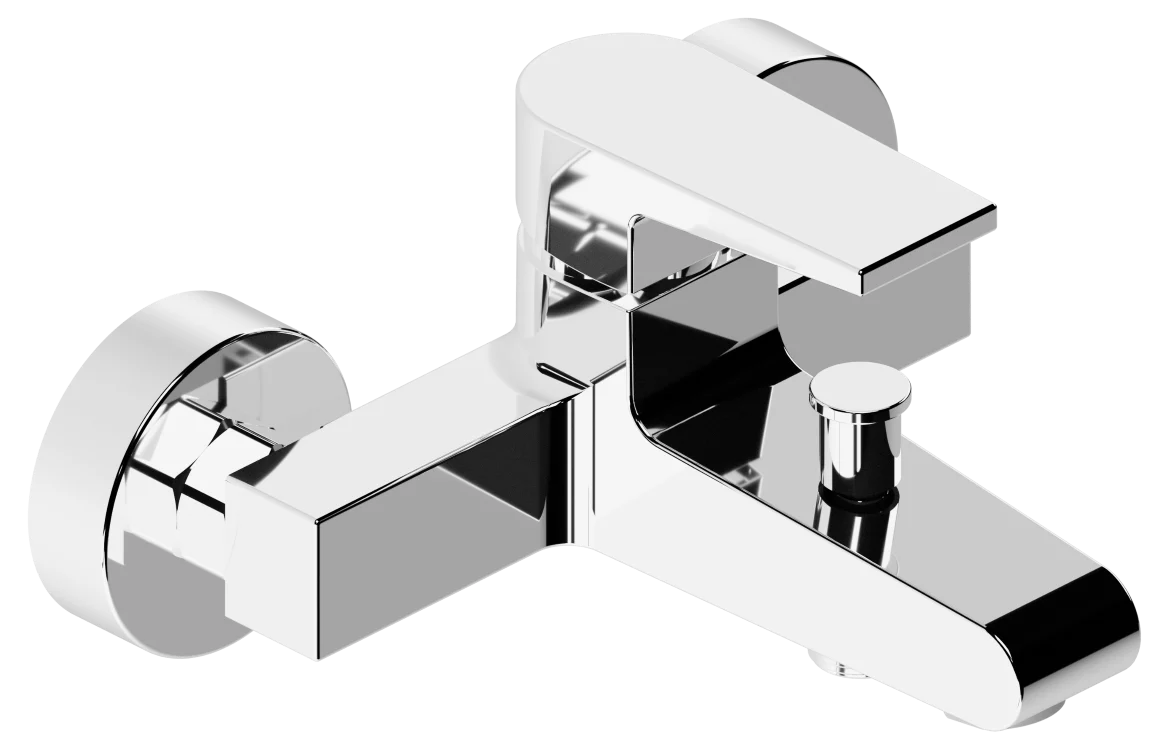
Faucets & sanitary
Basin, bath, shower and sink mixers in 26 series, with built-in sets and sensor taps.
Learn more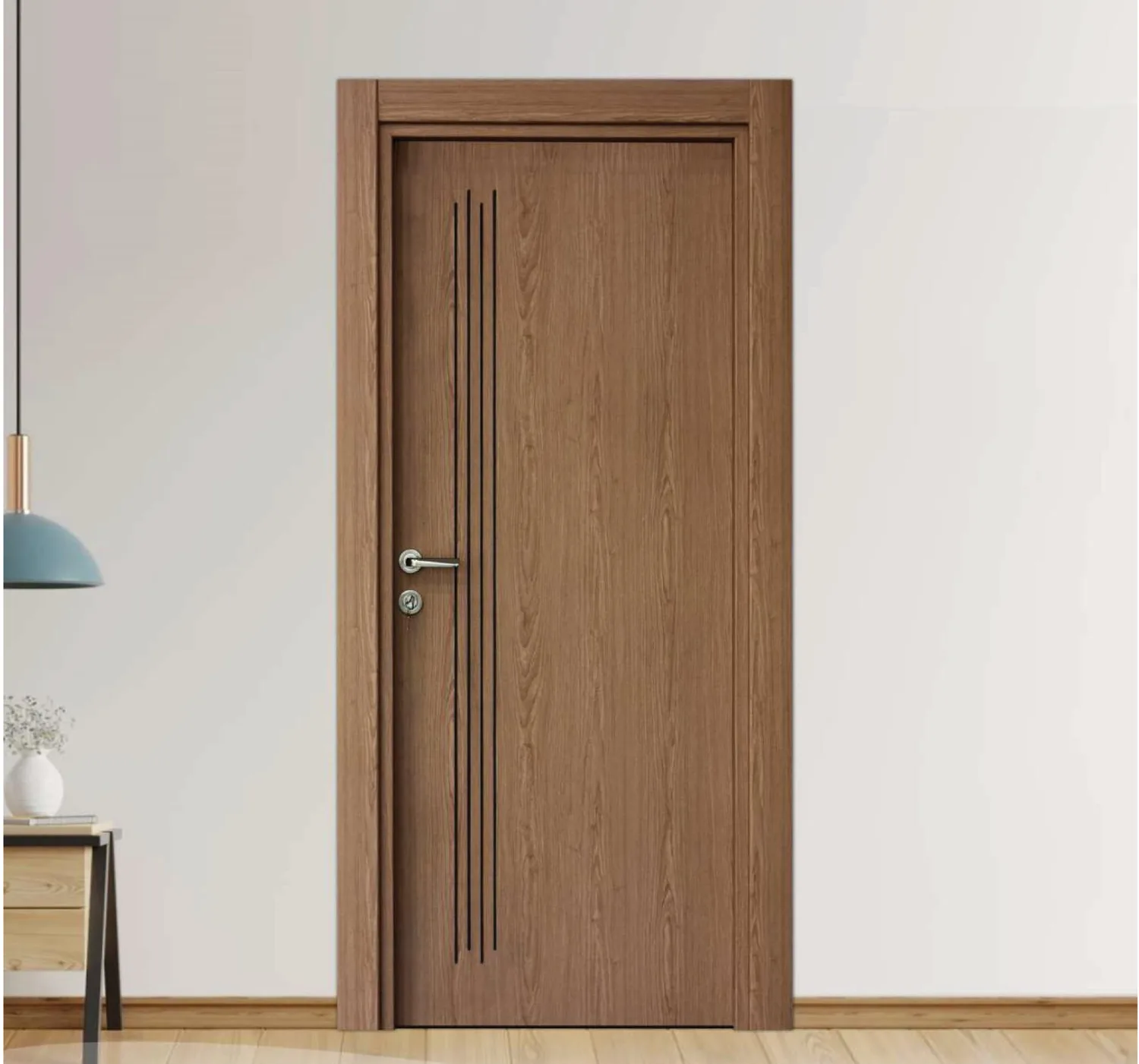
Interior doors
MDF doors with PVC finish, frame and architrave, in nine colours and three core options.
Learn moreExport markets
Buying from your country
Get a quote
Have a project in mind? Let’s quote it.
Tell us which products and quantities you need. Our team will get back to you with product information, stock availability and a quotation.