
Importing locks, handles and faucets from Türkiye to the US, duty worked out by product
An American distributor cannot price a Turkish door program from one tariff figure any more. In 2026 the legal basis of US import duties changed more than once, and a lever handle can now carry a very different rate from the lock beside it. Ask Carboga, a manufacturer in Istanbul, for the material and weight details of each model so your customs broker can classify every line.
- 3,500m²
- Production facility
- 100,000
- Locks per month
- 100,000
- Door handles per month
- Export-led
- Middle East & Africa
Indicative duty by product, HTS Revision 23
These rates come from our reading of the Harmonized Tariff Schedule in force from 10 November 2026. The likely codes are a starting point: classification is your customs broker's decision, and fees such as the merchandise processing fee are extra.
- Mortise locks and cylinders (likely 8301.40.60): 5.7% general duty + 12.5% Section 301. Heading 8301 is not on the Section 232 metal lists.
- Brass faucets and mixers (likely 8481.80.10): 4% + 12.5%. Complete faucets in 8481.80 are not on those lists either.
- Steel, aluminum or zinc lever handles (likely 8302.41.60): 3.9% + 25% Section 232 on full customs value when steel and aluminum reach 15% of the article's weight. Below that threshold, 3.9% + 12.5%.
- Brass handles (likely 8302.41.90): 3.5% + 12.5%.
- Interior doors: wooden doors in 4418.29.80 at 4.8%, plastic doors in 3925.20.00 at 5.3%, each + 12.5%. Which applies to a PVC-coated MDF door is for your broker to rule on.
Why the 2026 rate sheet looks different
After the Supreme Court struck down the IEEPA tariffs, a temporary Section 122 surcharge ran until it expired on 24 July 2026. The same day, USTR's Section 301 forced-labor action took effect, setting 12.5% on products of Türkiye under heading 9903.05.79 (91 FR 47318). Goods charged under Section 232 are excluded from it, so the two do not stack on one article.
Section 232 itself was rebuilt in April and June 2026: the duty now applies to full customs value rather than metal content, which makes an accurate weight breakdown valuable for zinc-bodied handles.
Two items could move these numbers. The forced-labor duties are under challenge at the Court of International Trade, where we found no ruling as of 23 November 2026, and USTR's separate excess-capacity investigation names Türkiye, with no determination that we could find. The rate that counts is the one in force on your date of entry, so have your broker recheck it before you commit.
Faucets: lead-free certification comes before the first shipment
Under Section 1417 of the Safe Drinking Water Act, wetted surfaces of pipes, fittings and fixtures must not exceed a weighted average of 0.25% lead. EPA states that kitchen and bathroom faucets must be certified as lead free, and has enforced this since 1 September 2023. An importer sourcing from a manufacturer with ten or more employees needs third-party certification from an ANSI-accredited body and must keep records for at least five years. Civil penalties can reach $71,545 per day of violation.
NSF/ANSI/CAN 372 is the usual method for evaluating lead content, and NSF/ANSI/CAN 61 addresses leaching. California's AB 100 goes further for endpoint devices such as lavatory and kitchen faucets, requiring certification to the tighter NSF/ANSI/CAN 61 lead threshold. Carboga does not claim any of these certifications, so a faucet line should not enter US commerce until the required certificate exists for that exact model.
Door hardware: ANSI/BHMA grades and American door prep
US commercial specifications often refer to BHMA standards: A156.13 for mortise locks, with separate operational and security grades, and A156.2 for bored and preassembled locks, graded 1 to 3. These are normally a specification matter rather than a border check, so confirm with the architect or code consultant. Carboga does not hold itself out as BHMA-graded. Our case sizes (40×70 to 45×90 mm) follow our catalogue, not US door prep, which makes a drawing check essential.
MDF doors: formaldehyde and Lacey Act paperwork
MDF is one of three composite wood products regulated under TSCA Title VI (40 CFR Part 770). Finished goods containing it must be made with compliant panels and labeled, the importer must keep supplier documentation for three years, and each shipment needs a TSCA import certification. Separately, ask your broker whether a Lacey Act declaration applies, since APHIS widened coverage in its Phase VII from December 2024 and the answer can depend on composite content. Please raise both before we produce a door order for the US.
Origin marking and entry ports
Under 19 U.S.C. 1304, each imported article must be legibly marked with the English name of its country of origin, readable by a person of normal vision without taking the item apart. Unmarked goods can attract additional duties, so agree on the marking and its position for locks, handles and cartons at the quotation stage.
For Atlantic and Gulf distribution, compare gateways by inland cost. New York and New Jersey moved 5,955,798 loaded TEU in 2025, and Savannah handled 5.67 million TEU in fiscal 2026. We confirm the available routing at the time of the order.
Related products
Explore the range
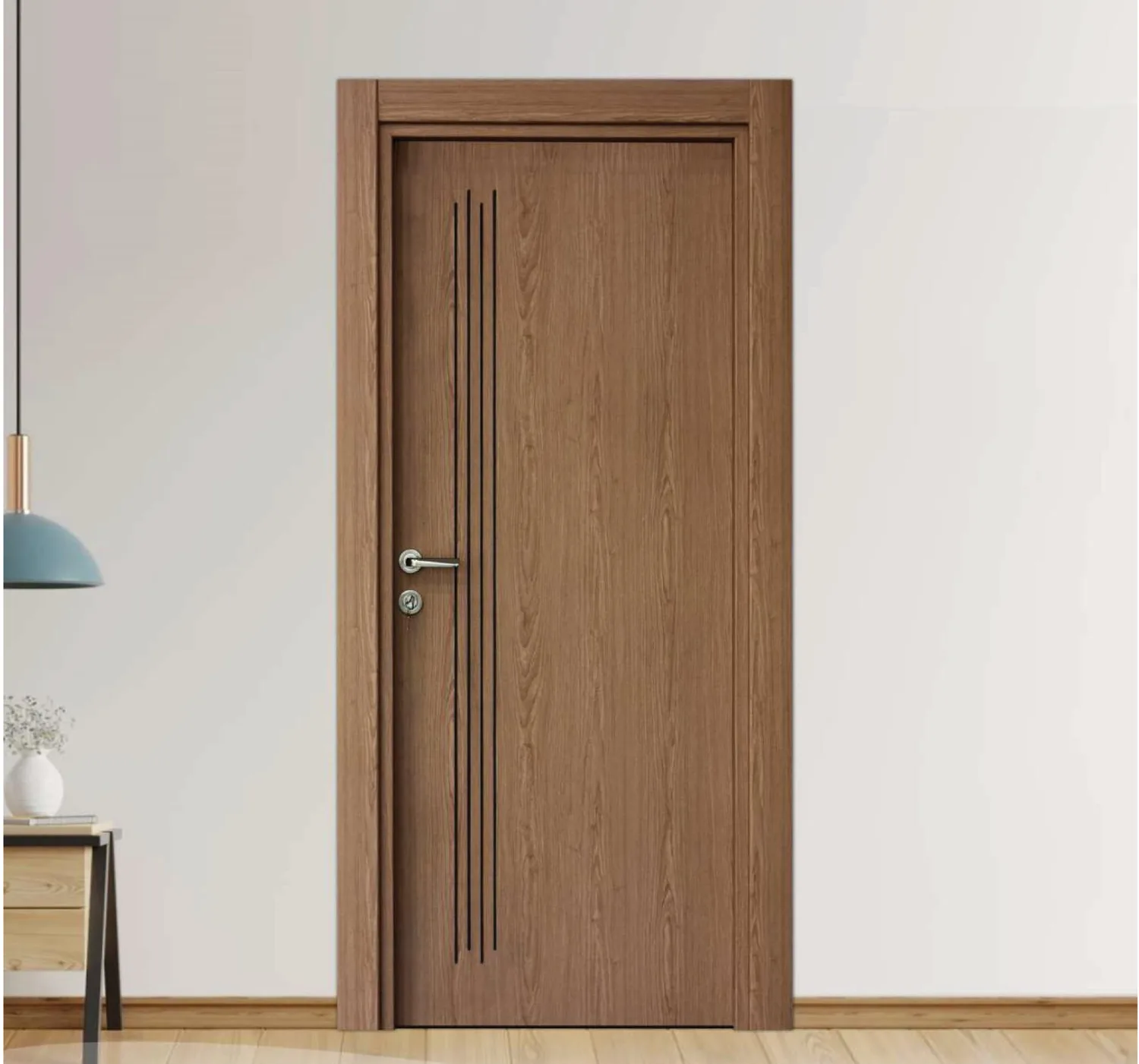
Interior doors
MDF doors with PVC finish, frame and architrave, in nine colours and three core options.
Learn more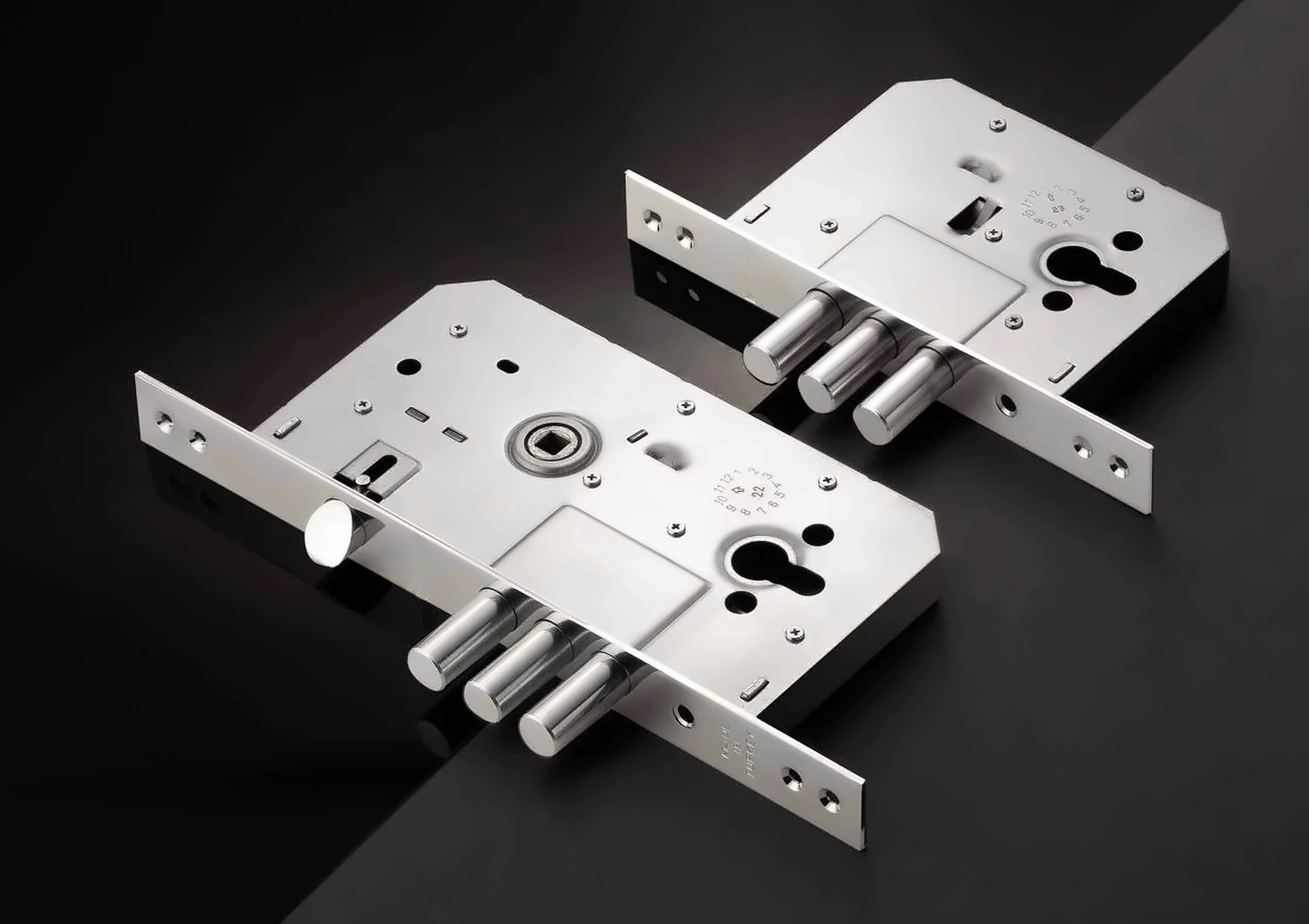
Locks & hardware
Mortise locks, cylinders, door handles, pull handles and knobs for wholesale supply.
Learn more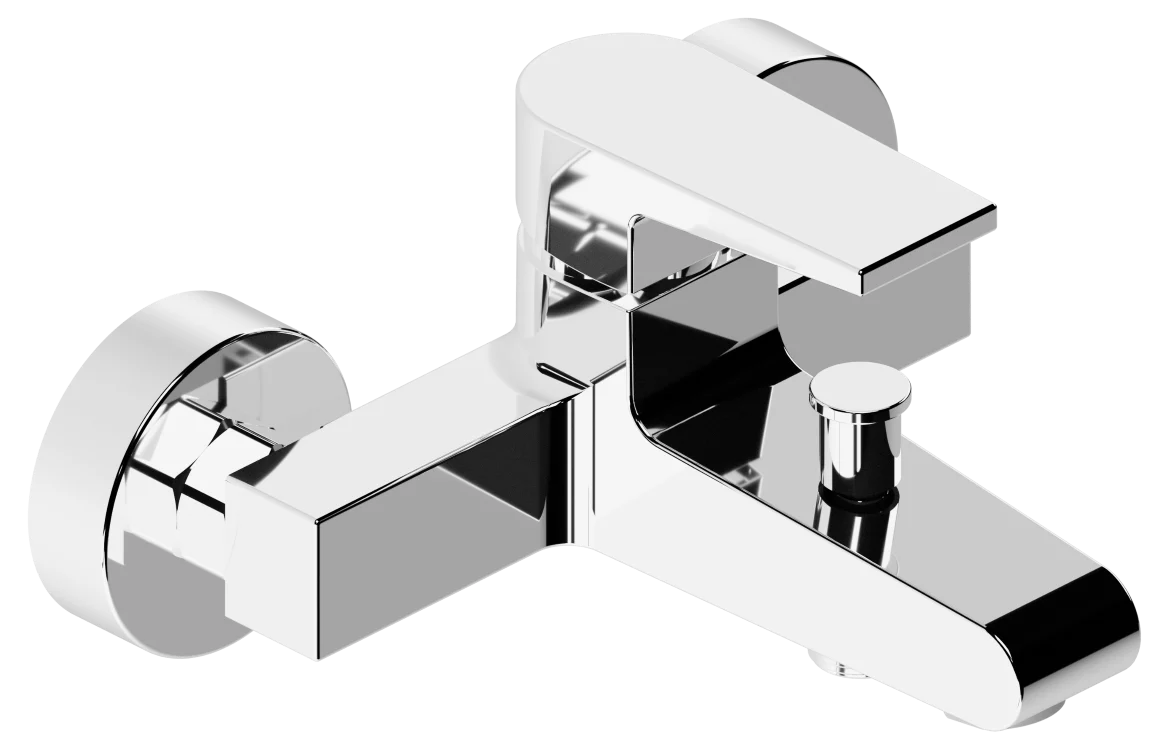
Faucets & sanitary
Basin, bath, shower and sink mixers in 26 series, with built-in sets and sensor taps.
Learn moreFAQ
Frequently asked questions
Do door locks from Türkiye pay Section 232?
Heading 8301 does not appear on the current Section 232 lists, so the likely stack is the general rate plus 12.5% Section 301. Have your broker confirm.
Why does metal weight matter for a lever handle?
Section 232 applies to 8302.41.60 only when steel and aluminum reach 15% of the article's weight. A zinc-bodied handle may fall below it, so ask us for the model's weight breakdown.
Can I import Carboga faucets on a TSE certificate?
No. US lead-free rules require certification for faucets, normally through an ANSI-accredited third party. TSE does not meet that requirement.
Is there a warranty on the locks?
Yes, five years on locks only. We confirm the terms in writing with the quotation.
Information reviewed in November 2026. Import rules change: confirm the current requirements with your customs broker before you order.
Sources
- USITC: Harmonized Tariff Schedule, Revision 23 (2026)
- Federal Register: Section 301 forced-labor action, 91 FR 47318
- CBP: CSMS 69326983, Section 301 forced-labor duties
- CBP: CSMS 68253075, Section 232 guidance
- White House: April 2026 metals proclamation
- Federal Register: June 2026 metals proclamation
- CBP: trade remedies
- BDO: IEEPA tariff refunds FAQ
- Sandler, Travis & Rosenberg: Section 301 forced-labor litigation
- USTR: Section 301 excess-capacity initiation
- EPA: compliance advisory on lead-free plumbing products
- EPA: Safe Drinking Water Act lead limits
- NSF: lead in plumbing products
- California AB 100 (2021)
- BHMA: A156.13 mortise locks
- BHMA: A156.2 locks and latches
- EPA: formaldehyde standards for composite wood
- eCFR: 40 CFR Part 770
- USDA APHIS: Lacey Act Phase VII
- CBP: marking of country of origin
- Port Authority of NY & NJ: full-year 2025 volumes
- Georgia Ports Authority: FY2026 volumes
Get a quote
Have a project in mind? Let’s quote it.
Tell us which products and quantities you need. Our team will get back to you with product information, stock availability and a quotation.