
Mortice locks and ironmongery for South Africa, specified in local terms
South Africa already has established lock makers and ironmongery houses, so an overseas range has to earn its place. Wholesalers and specifiers evaluating Turkish door hardware or bathroom fittings can ask Carboga for mortice locks, levers, mixers and interior doors with the dimensions set out for a proper comparison.
- 3,500m²
- Production facility
- 100,000
- Locks per month
- 100,000
- Door handles per month
- Export-led
- Middle East & Africa
Specifying a Turkish mortice lock
Ironmongers here will expect backset and centre dimensions. Our mortice locks are catalogued in 40×70, 40×85, 45×85 and 45×90 mm sizes, in silver, copper, gold and antique finishes, as boxed, cylinder or key-operated versions. Ask for the dimensions of the model you are considering and check them against the door preparation on your drawings.
Lever furniture comes on plate or rose, with finishes that include satin nickel, satin gold and smoked. Pull handles run from 30 to 120 cm for entrance and commercial doors, and cylinders are available in standard and computer-key types.
Taps: settle water-fitting acceptance first
This is where a project can stall. SANS 10252-1 covers water supply installations in buildings, including terminal fittings such as taps, mixers and showers, and JASWIC publishes a list of accepted water and sanitation components. We could not confirm what approval a particular imported mixer needs, and this page does not claim any Carboga model is on that list.
Before quoting a project, raise it with the plumber, specifier or municipality responsible, then come back to us with what they require.
Compulsory specifications versus voluntary standards
The National Regulator for Compulsory Specifications (NRCS) administers compulsory specifications, while SABS publishes the national standards. Only 53 of roughly 5,000 SABS standards are mandatory. Our research did not confirm a compulsory specification for door locks, handles or taps, which is different from confirming that none exists, so check the NRCS list or ask your customs broker.
SARS paperwork for a first import
South Africa is not on the Turkish Trade Ministry's lists of free trade agreements in force or awaiting approval, so landed-cost models should not assume a preference for Turkish origin. The basic steps for a new importer are:
- Register with customs and obtain an importer's code from SARS
- Prepare the SAD, bill of lading, commercial invoice and packing list
- Use a DA59 declaration of origin when claiming reduced duty
- Check whether an ITAC permit applies, as it does for restricted items
Durban, Ngqura or Cape Town by final destination
A 25-year Transnet–ICTSI partnership for Durban Container Terminal Pier 2 was set to begin on 1 January 2026, with a plan to lift capacity from 2 million to 2.8 million TEU. Transnet's ports authority also lists an expansion of the Cape Town Container Terminal among its projects, and Ngqura gives Eastern Cape buyers another option. Gauteng and Cape importers face very different inland legs, so compare them on delivered cost. Stats SA adds useful timing context: the value of building plans passed rose 1.2% in January to May 2026, while the value of buildings completed fell 4.2%, which may mean part of the pipeline has yet to reach fit-out.
Related products
Explore the range
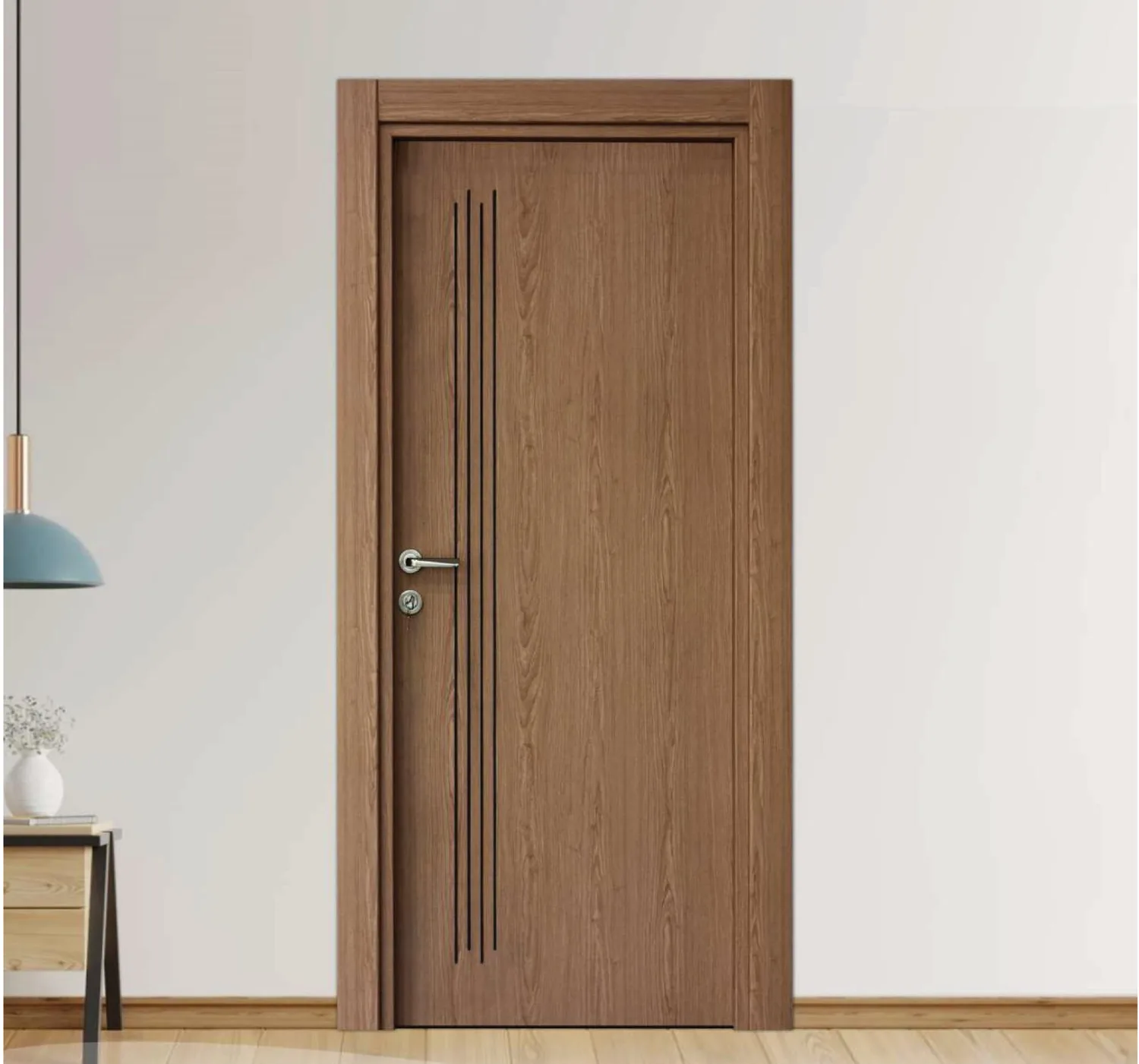
Interior doors
MDF doors with PVC finish, frame and architrave, in nine colours and three core options.
Learn more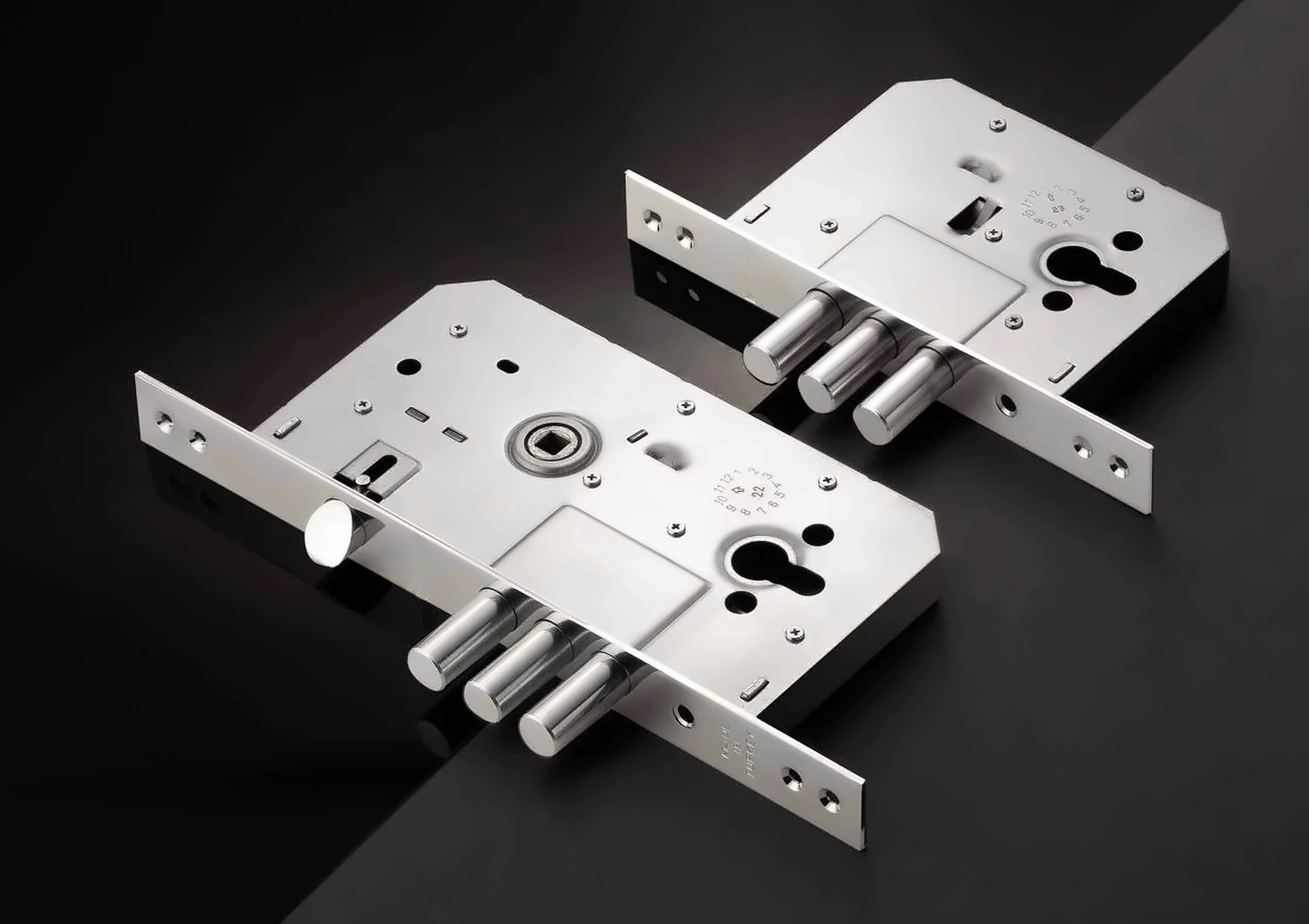
Locks & hardware
Mortise locks, cylinders, door handles, pull handles and knobs for wholesale supply.
Learn more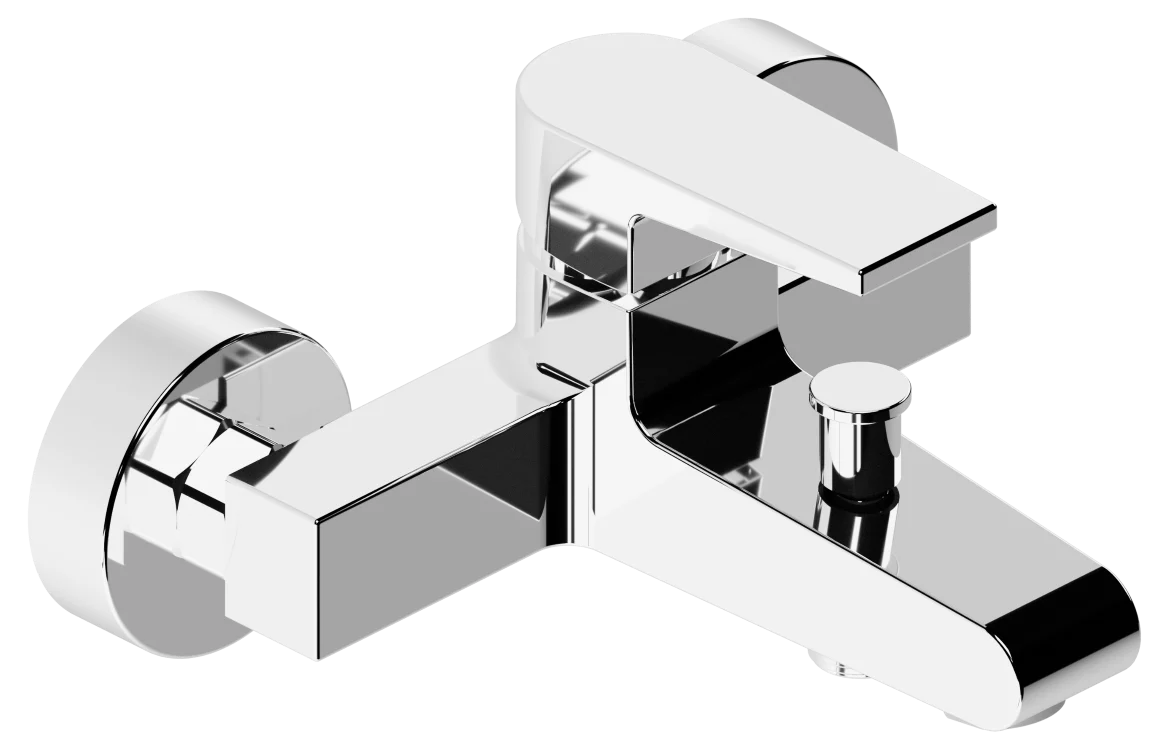
Faucets & sanitary
Basin, bath, shower and sink mixers in 26 series, with built-in sets and sensor taps.
Learn moreFAQ
Frequently asked questions
Are your mixers JASWIC approved?
We do not claim that. Ask JASWIC or the project's plumber what is required, then tell us which models you are considering.
Do you use the term mortice or mortise?
Both spellings describe the same lock. South African trade buyers usually write mortice, so we use that here.
Which port suits a Johannesburg buyer?
Price Durban first, then compare the alternatives on total cost to your warehouse and confirm the routing at order stage.
Information reviewed in November 2026. Import rules change: confirm the current requirements with your customs broker before you order.
Sources
- Trade.gov, South Africa import requirements
- Trade.gov, South Africa standards for trade
- SANS 10252-1, Water supply installations for buildings
- JASWIC
- SAnews, Durban Container Terminal Pier 2
- Transnet presentation, port projects
- South African Tourism, the eight seaports
- Stats SA, building statistics, May 2026
- Türkiye Ministry of Trade, FTAs in force
Get a quote
Have a project in mind? Let’s quote it.
Tell us which products and quantities you need. Our team will get back to you with product information, stock availability and a quotation.