
Locks, taps and interior doors for Romania, from village houses to Constanța
Romania's building data points away from the capital: in August 2026, 72.5% of residential permits were for rural areas. For a builders' merchant in Iași, a distributor in Cluj or a contractor near Constanța, that shapes what to order, and the customs and product file should be settled before a truck leaves Istanbul.
- 3,500m²
- Production facility
- 100,000
- Locks per month
- 100,000
- Door handles per month
- Export-led
- Middle East & Africa
What Romania's permit figures say about demand
The National Institute of Statistics counted 21,791 residential building permits from January to August 2026, 12.2% fewer than a year earlier. Bucharest-Ilfov was the only region to rise, and only by four permits. The largest falls were in the North-East, West, South-Muntenia and North-West.
A cooling, largely rural market favours a different basket from a city tower project: mixed loads for merchants who serve people building one house at a time. That usually means plate handles in a few finishes, 45×85 mm mortise locks with cylinders, basin and sink mixers, and MDF room doors with PVC frames. Send the split by product and we will quote it line by line.
Two ways in: across Bulgaria or through Constanța
The direct road runs through the Kapıkule–Kapitan Andreevo crossing and on across Bulgaria. Land-border checks between the two countries were lifted when both joined Schengen fully on 1 January 2025, but that does not remove customs formalities for goods arriving from Türkiye. Ask your broker whether to clear in Bulgaria or move the load under transit to a Romanian customs office.
Constanța is the alternative worth pricing. A study for the Netherlands Enterprise Agency puts it at about 58 million tonnes handled in 2024, by far the largest port on the Black Sea, with DP World running the Constanța South Container Terminal. A Karasu–Constanța Ro-Ro began in February 2021, was suspended within weeks, and a new service was announced in 2024. We could not confirm a current timetable, so check with your forwarder before planning around it.
The A.TR and what it does not prove
Under the EU–Türkiye Customs Union, industrial goods in free circulation move without customs duty when an A.TR movement certificate accompanies them. Two details catch new importers. The A.TR shows customs status and is not a certificate of origin, and Irish Revenue's guide states it must reach the importing customs office within four months of endorsement. EU member states have accepted electronic A.TRs bearing a QR code since 8 July 2024.
Import VAT is separate. Have your broker run each TARIC code for VAT and for any trade-defence measure before you accept a landed-cost estimate.
Product rules, line by line
The 2024 Construction Products Regulation has applied since 8 January 2026, but product families migrate one at a time, so standards cited under the 2011 regulation stay in use until replaced. Against the Commission's list of 9 February 2026, and Romanian national rules, our range sorts like this:
- Mortise locks: EN 12209 is cited. A published BSI certificate from another company, read here only as an example, covers locks for fire-resistant or smoke-control door assemblies, so state the intended use and let your broker confirm whether it applies.
- Lever handles: we found no citation for EN 1906 in that list.
- Doors: EN 14351-1 covers windows and external pedestrian doorsets. The internal-door part, EN 14351-2, is not cited. A door sold as fire-resisting is a separate case under EN 16034.
- Goods outside a harmonised standard: Government Decision 668/2017 sets Romania's route, including a declaration of conformity and, where used, a technical approval (agrement tehnic).
- Taps: Health Ministry Order 275/2012, amended by Order 3730/2023, has committees at the National Institute of Public Health (INSP) issue a sanitary opinion or notification for products in contact with drinking water.
- MDF doors: the REACH formaldehyde limit of 0.062 mg/m³ for wood-based articles has applied since 6 August 2026, and headings 4411 and 4418 remain in the EU Deforestation Regulation.
What to ask us before you order
Carboga's catalogue carries the TSE mark and ISO 9001:2015. We do not claim CE marking, a Declaration of Performance or an EN certificate for these products. List the documents your customer or site engineer requires, and we will tell you in writing, product by product, what we can and cannot supply before you commit.
Related products
Explore the range
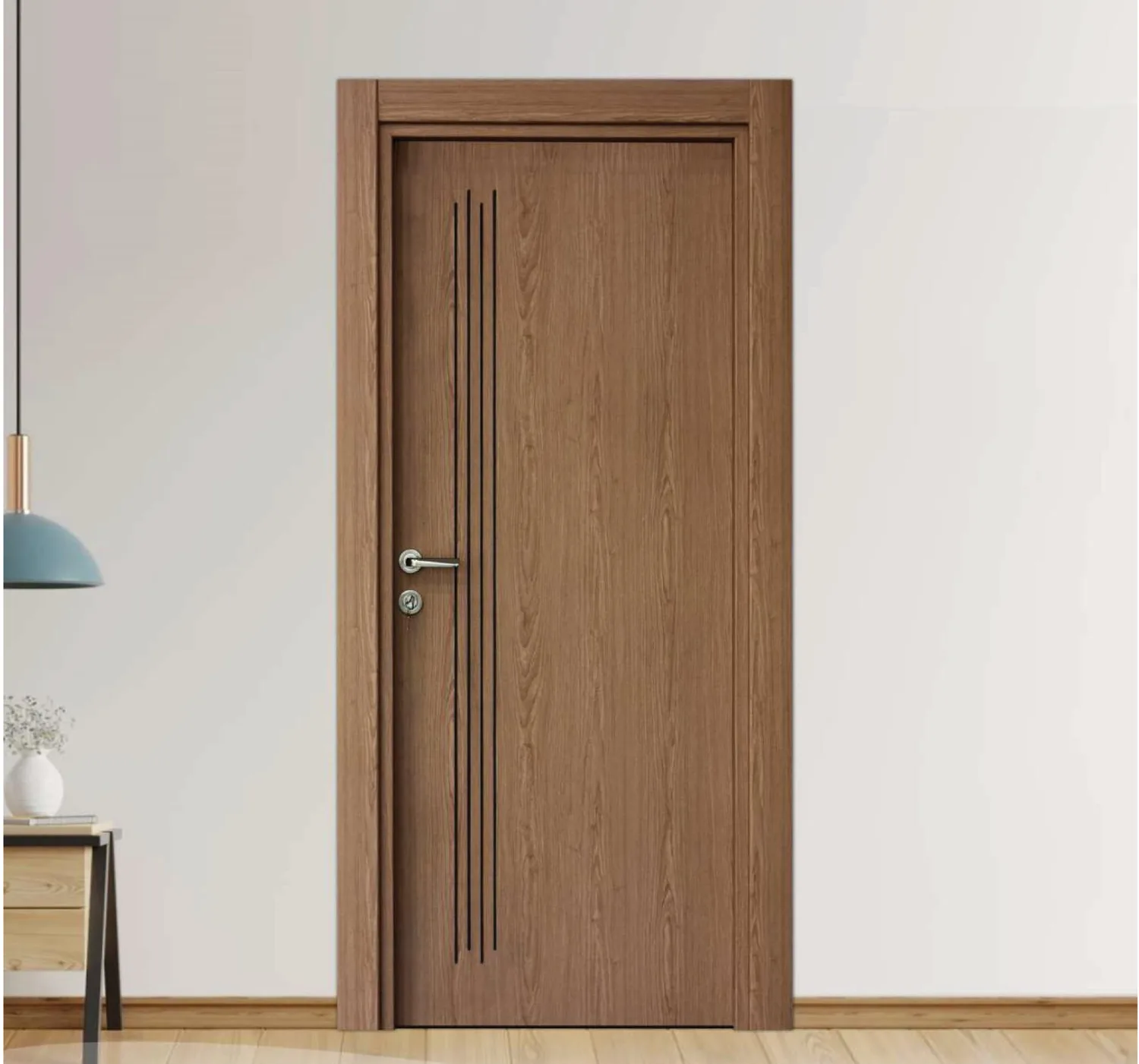
Interior doors
MDF doors with PVC finish, frame and architrave, in nine colours and three core options.
Learn more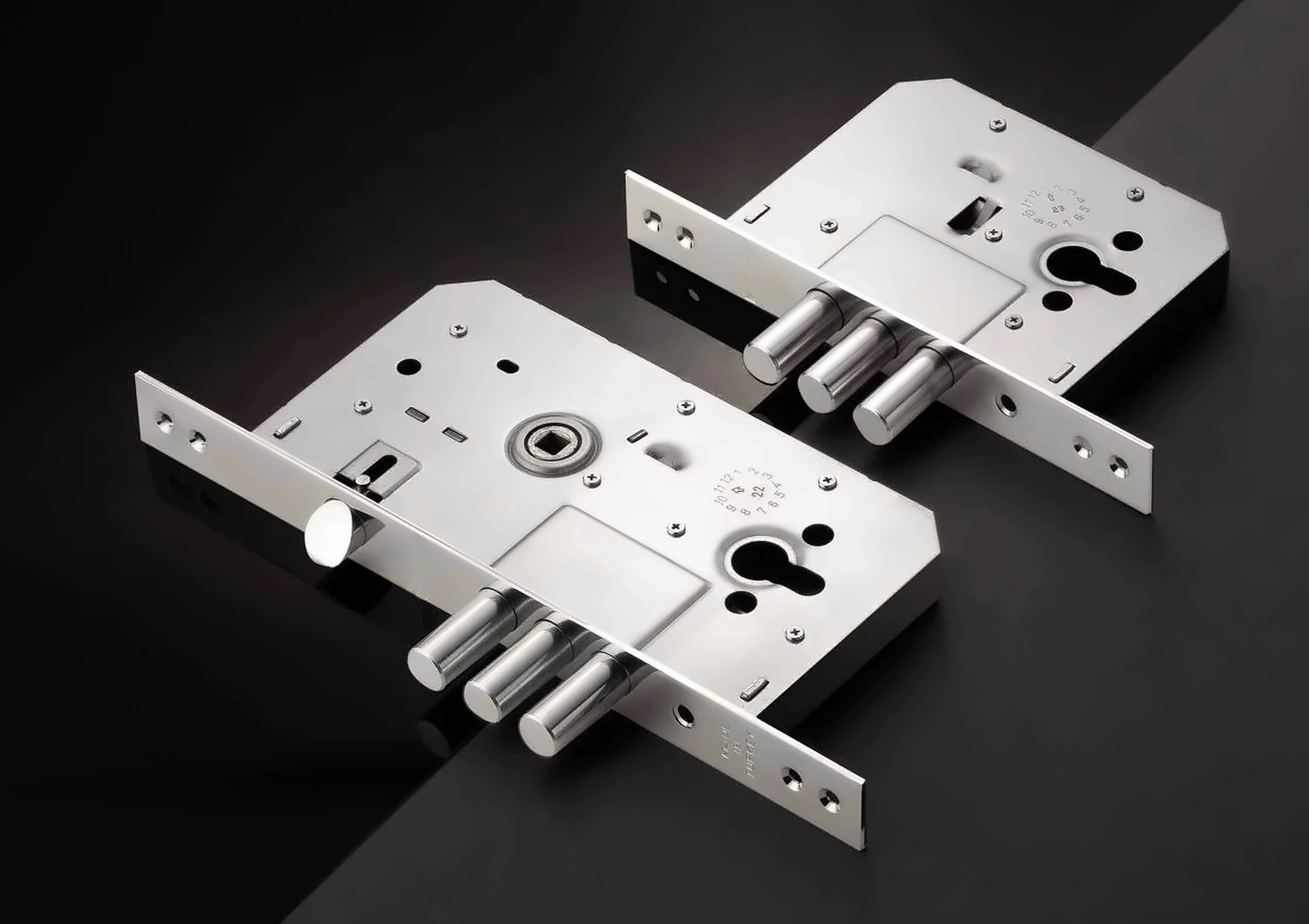
Locks & hardware
Mortise locks, cylinders, door handles, pull handles and knobs for wholesale supply.
Learn more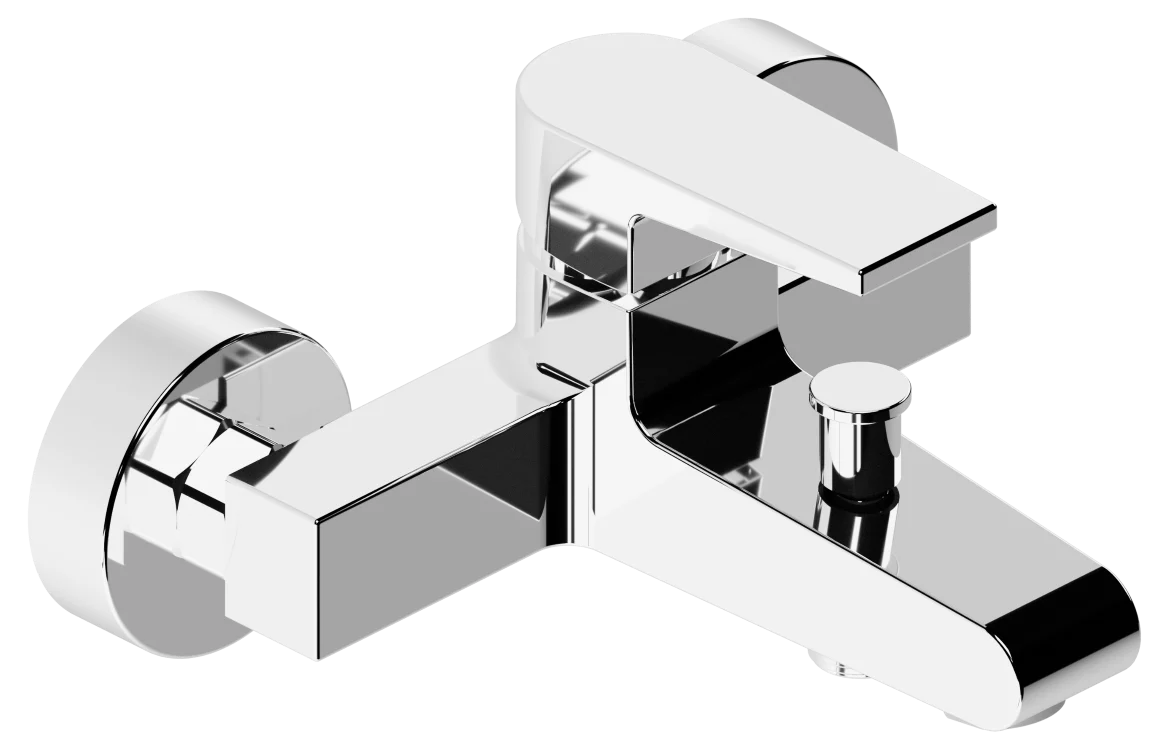
Faucets & sanitary
Basin, bath, shower and sink mixers in 26 series, with built-in sets and sensor taps.
Learn moreFAQ
Frequently asked questions
Will I pay customs duty on Turkish door locks in Romania?
Goods in free circulation with a valid A.TR enter without customs duty under the Customs Union. VAT still applies, and your broker should check the TARIC code for any additional measure.
Do your taps already have a Romanian sanitary approval?
Do not assume so. Common EU rules for drinking-water contact apply from 31 December 2026, and products compliant with national requirements on that date may stay under those systems until 31 December 2032 at the latest. Ask INSP or your consultant which path fits each model, and we will confirm what we can provide.
Do MDF doors fall under the EU deforestation rules?
Fibreboard (4411) and builders' joinery of wood (4418) stayed in Annex I after the September 2026 update. Confirm the code for a PVC-coated MDF door, and do not assume the June 2027 date for small firms covers timber goods.
Is road or Constanța better for a Romanian delivery?
It depends on where your warehouse is and how full the load is. Compare delivered cost for both, and we will confirm the workable route when the order is placed.
Information reviewed in November 2026. Import rules change: confirm the current requirements with your customs broker before you order.
Sources
- Stiripesurse, INS residential permits Jan-Aug 2026
- BTA, Schengen land borders
- Netherlands Enterprise Agency, ports in Romania and Bulgaria
- DP World, Karasu–Constanța Ro-Ro, 2021
- Ferry Shipping News, Sea Lines
- European Commission, EU-Türkiye Customs Union
- European Commission, Türkiye customs arrangements and A.TR
- Irish Revenue, A.TR guide
- European Commission, CPR 2024 revision
- European Commission, CPR harmonised standards list, 9 Feb 2026
- BSI, EN 12209 certificate scope example
- Mediafax, Government Decision 668/2017
- EU TRIS, Romanian Order 3730/2023
- European Drinking Water, Industry Implementation Guide, March 2026
- Fraunhofer WKI, REACH formaldehyde restriction
- European Commission, EU Deforestation Regulation
- EUR-Lex, Delegated Regulation (EU) 2026/2102
Get a quote
Have a project in mind? Let’s quote it.
Tell us which products and quantities you need. Our team will get back to you with product information, stock availability and a quotation.